Pharmacy Layout Redesign
A two-semester capstone for a working pharmacy in Dearborn: measure everything, simulate the alternatives, and recommend only what the data supports.
the client
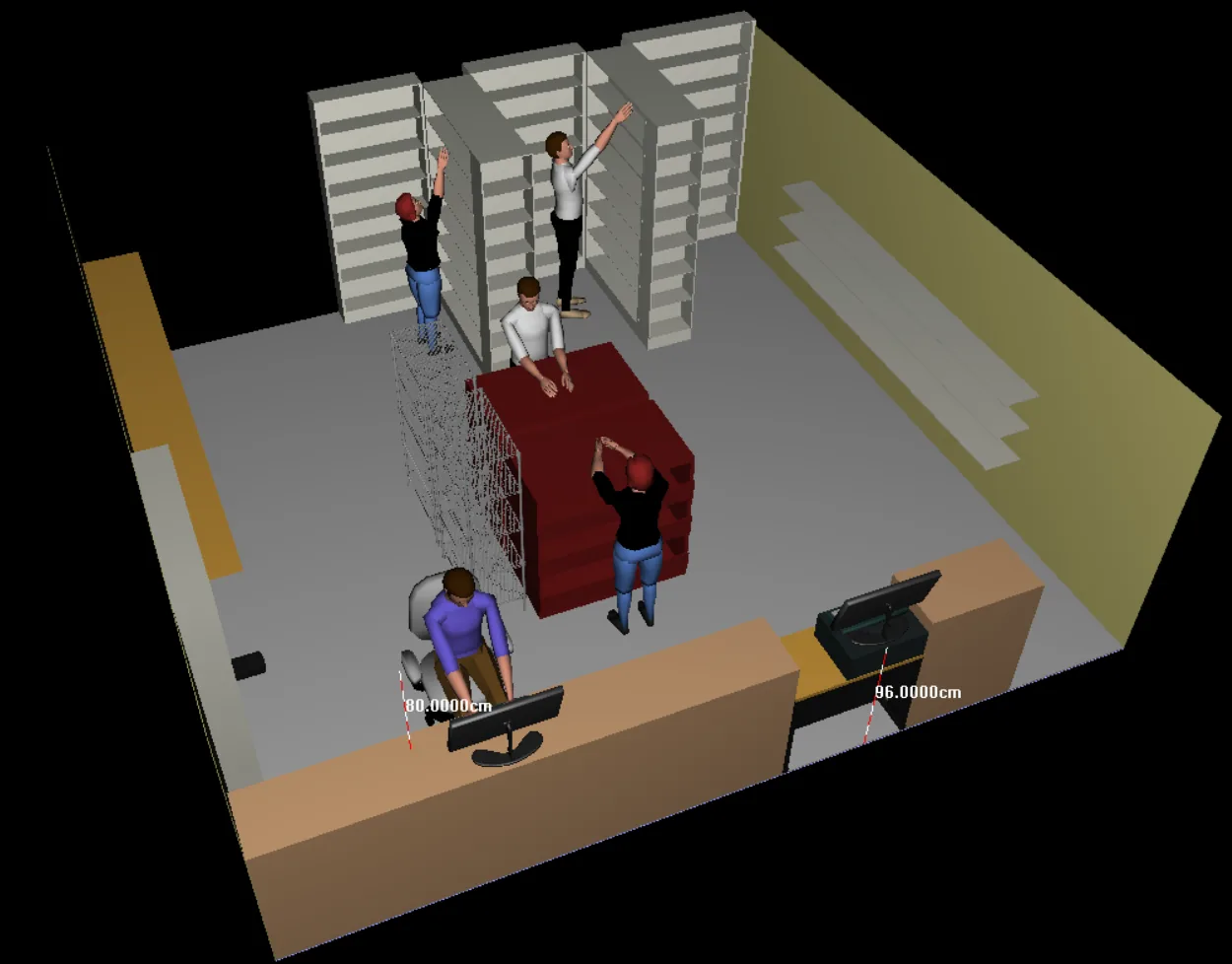
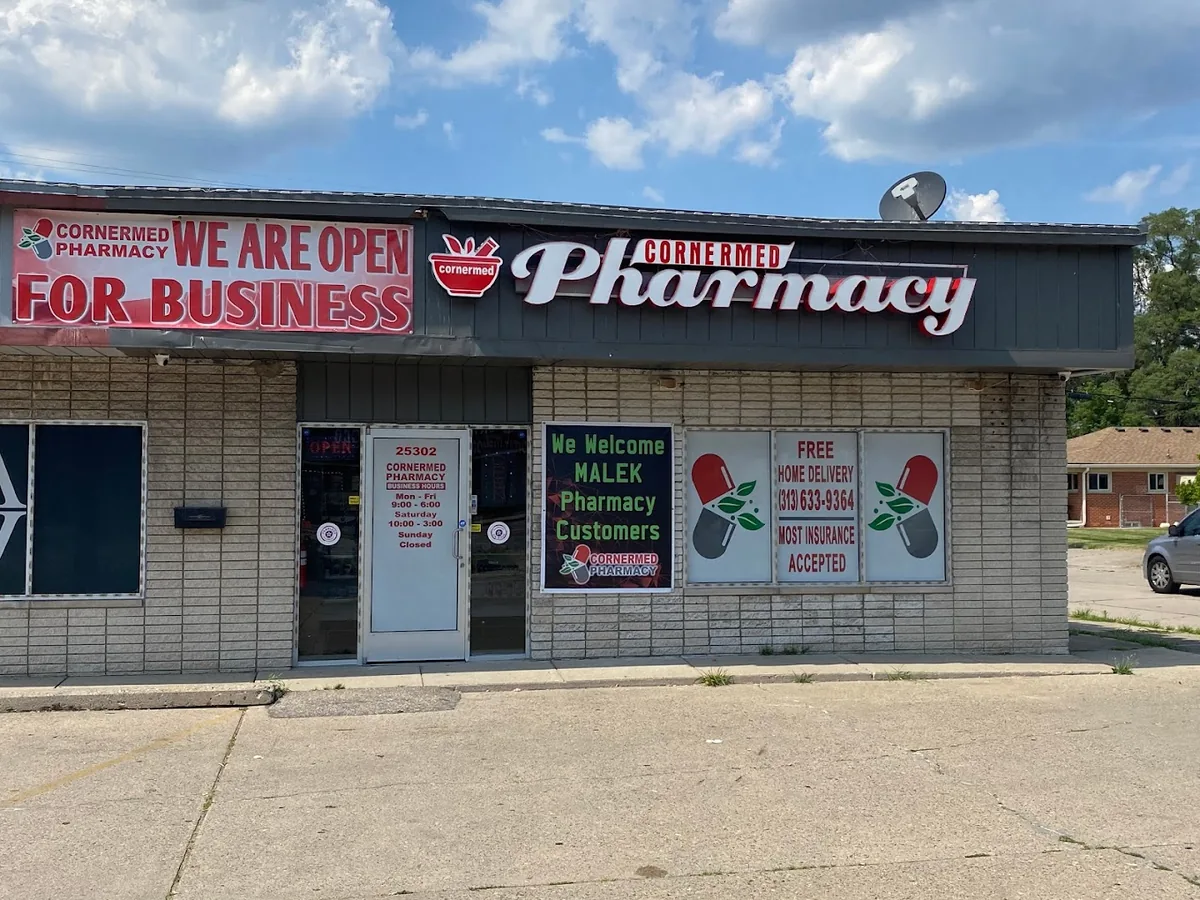
CornerMed Pharmacy is an independent retail pharmacy run by its owner-pharmacist and two assistants: consultations, order fulfillment, and delivery or pickup. The layout had been set up without a task analysis, which left inefficient operations and a backlog of work. The owner was our client and primary contact, and the goal was to shorten order processing and make the workspace better for the people in it.
approach
- Define: site visits, project charter, scope (layout and in-store tasks, not delivery).
- Measure: drew the layout to scale, measured every station and shelf height, and timed interarrivals, processing, and walking speed (56.32 in/s).
- Analyze: observation and interviews, a SIPOC diagram, and a fishbone diagram.
- Improve: SLP and graph-based layouts, Arena simulation, Siemens Jack posture analysis, and lean inventory planning.
- Control: recommendations to the owner, with an FMEA for the risks of each change.
my part: ergonomics
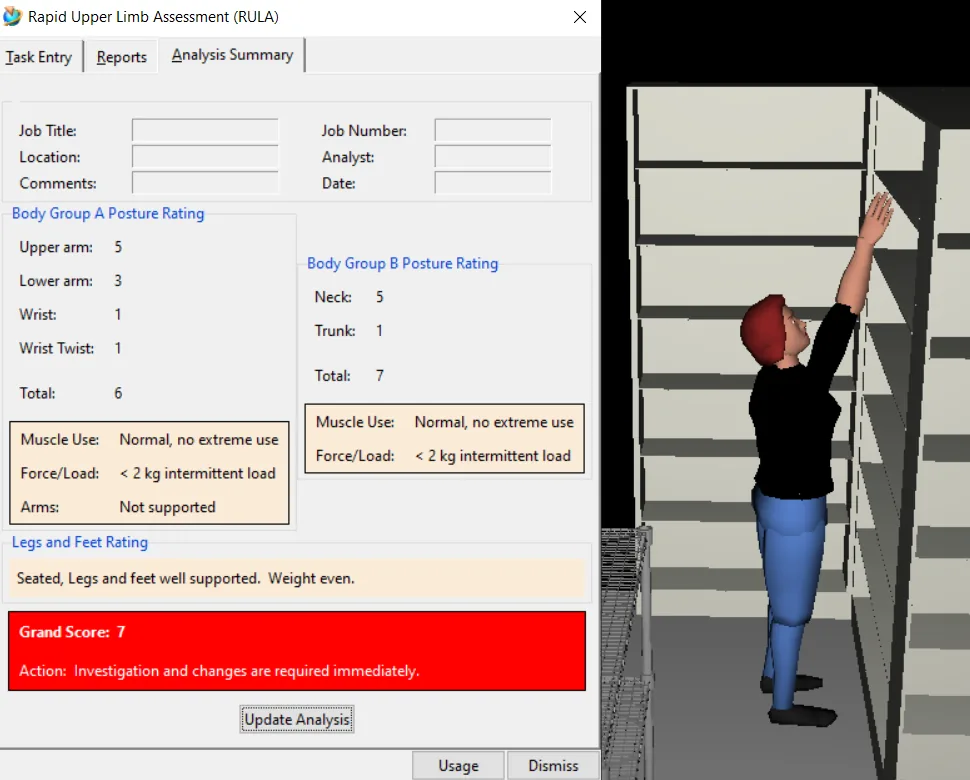
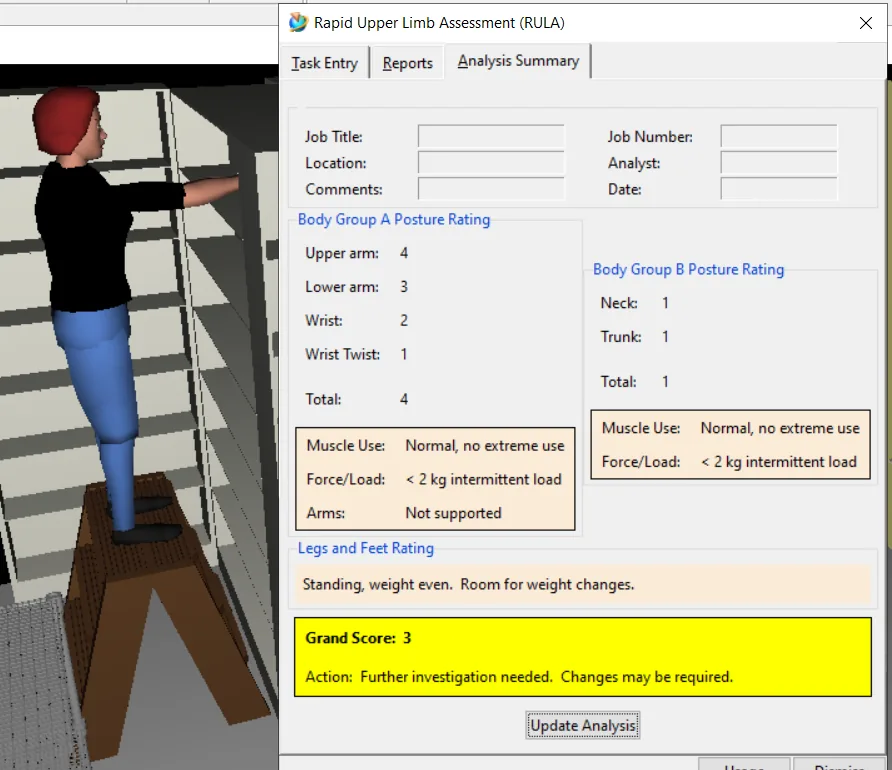
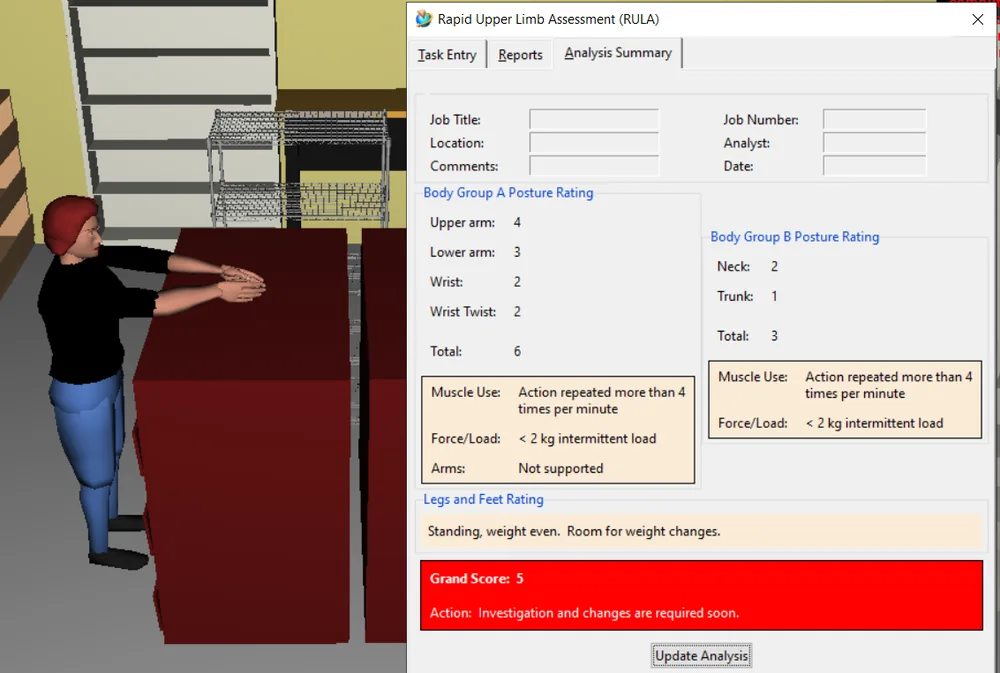
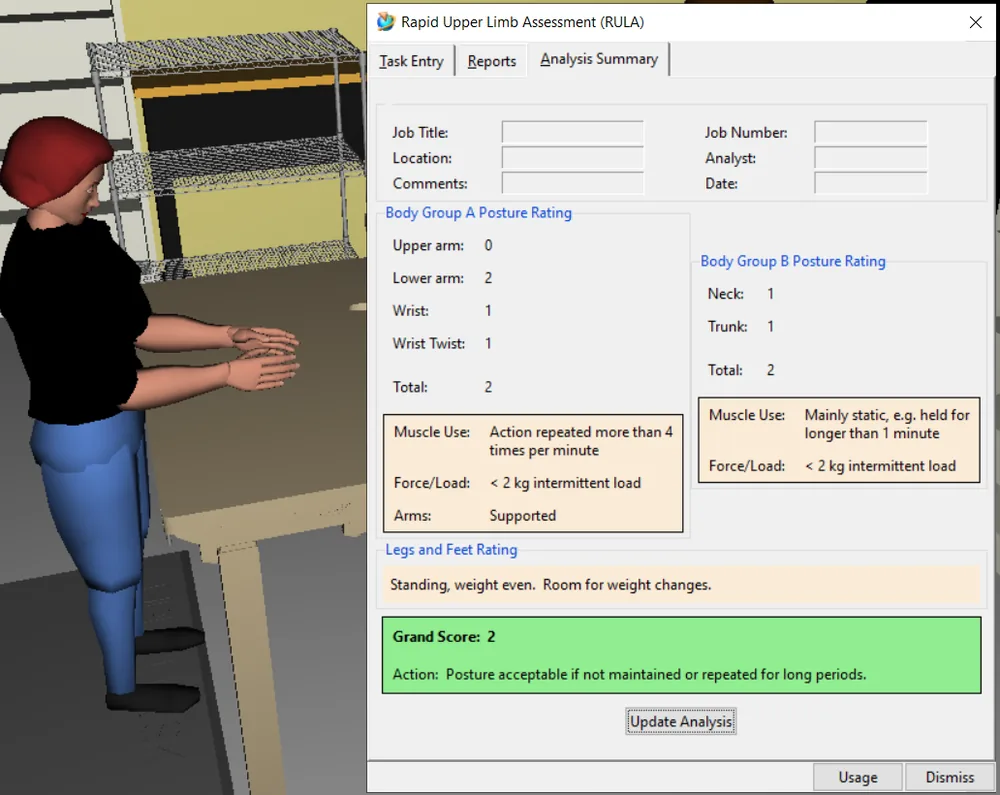
I led the human factors work. We focused on the three most-visited stations - packing, computer, and shelving - and designed for adjustability across the population, from a 5th-percentile female to a 95th-percentile male. Before trusting Jack, I scored one real posture by hand and the same posture in Jack; the results matched closely, so Jack carried the rest of the analysis.
RULA scores upper-body posture risk from 1 (acceptable) to 7 (change immediately). Current vs. proposed, for the smallest and largest users:
| station | what was wrong | change | 5th % female | 95th % male |
|---|---|---|---|---|
| Shelving | Overreaching to the top shelves - heavy upper-arm and neck strain | Three-level step stool; most-used stock moved to standing work height | 7 → 3 | 6 → 3 |
| Packing | Upper-arm strain for shorter workers, neck strain for taller ones, standing fatigue | Height-adjustable workstation and anti-fatigue mats | 5 → 2 | 5 → 2 |
| Computer | Unsupported legs; a fixed chair strained taller users' trunks | Height-adjustable chair with foot support | 3 → 2 | 4 → 3 |
We wrote down the tradeoffs too, because every fix has them:
- Adjustable stations only help if workers adjust them - they need a short training and a habit.
- A step stool can become a tripping hazard, and it does nothing for reaching below the knee.
- Moving inventory means relearning where things are.
Against those, the cost of mats, a stool, and adjustable chairs and desks was small next to the benefit to comfort and burnout.
team results: layout and simulation
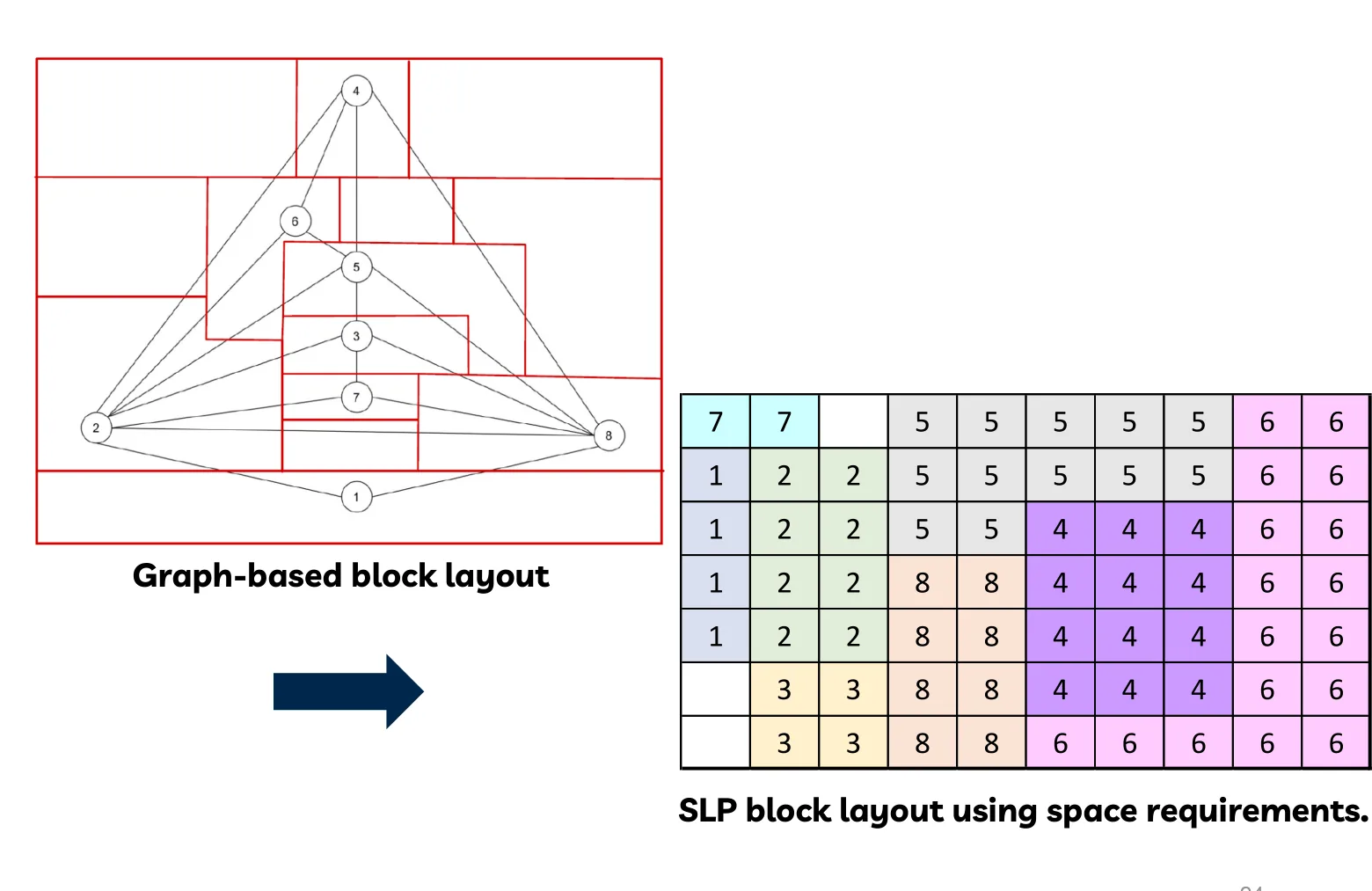
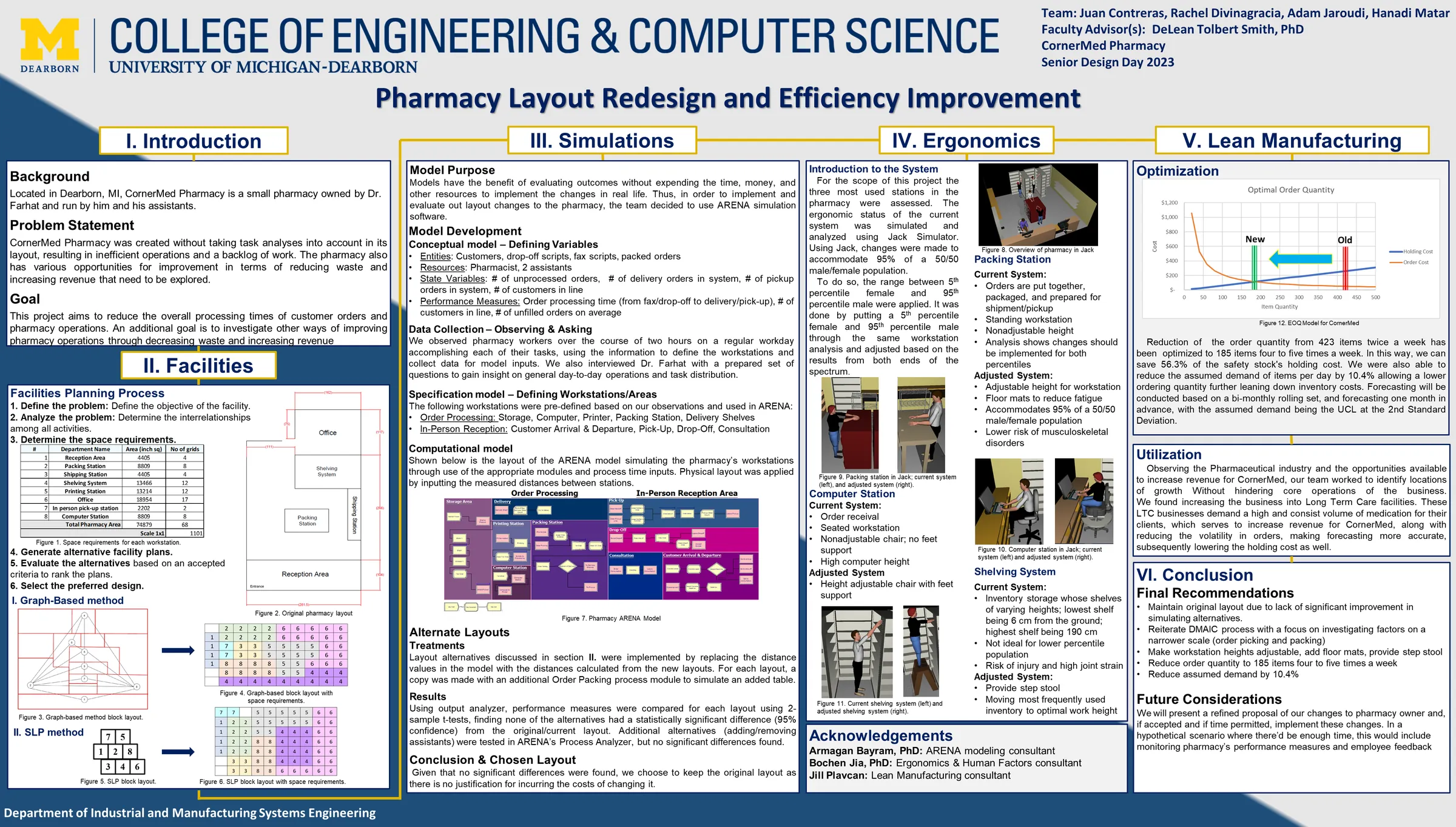
Teammates led the facilities layout, Arena simulation, and lean and cost-benefit work; I contributed to the team's DMAIC and recommendations. We built two layout alternatives from a from-to chart of trips between stations - one with SLP, one graph-based.
The Arena model used measured distances between all 9 stations (81 pairs) with workers as transporters at the measured walking speed. Eight variants - original, SLP, and graph-based layouts, each with and without an added packing table, plus defined roles - were compared with 2-sample t-tests in Output Analyzer, and Process Analyzer tried staffing changes up to an all-pharmacist team.
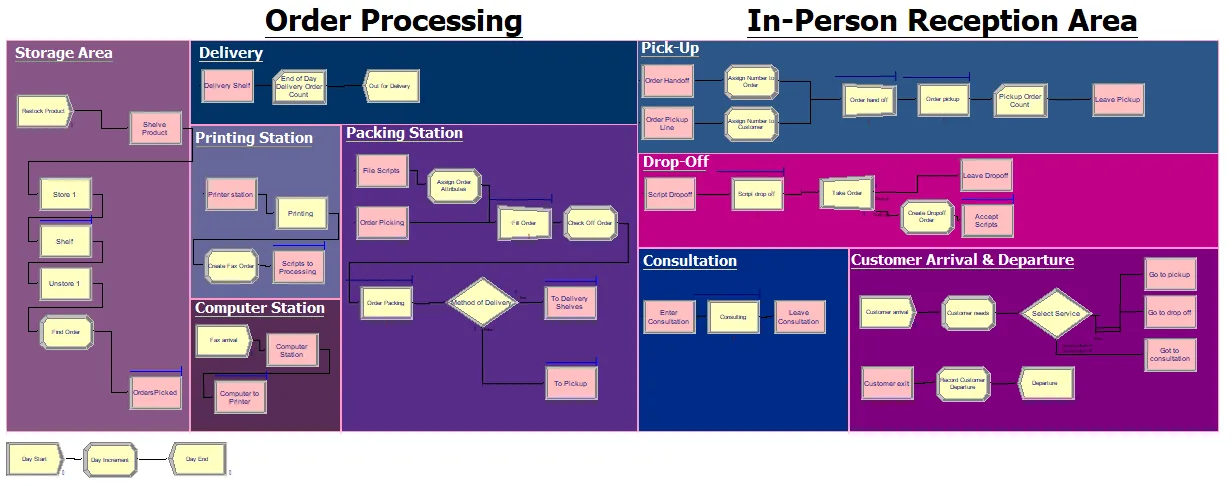
The best answer was "don't move anything"
The SLP layout looked better in the raw report, but the t-tests found no statistically significant difference on any measure, and staffing changes made no difference either. The pharmacy is small enough that, at the measured walking speed, a new layout saves at most about 4 seconds. We recommended keeping the original layout - there was no justification for the cost of changing it - and put the effort where the data pointed instead.
team results: inventory
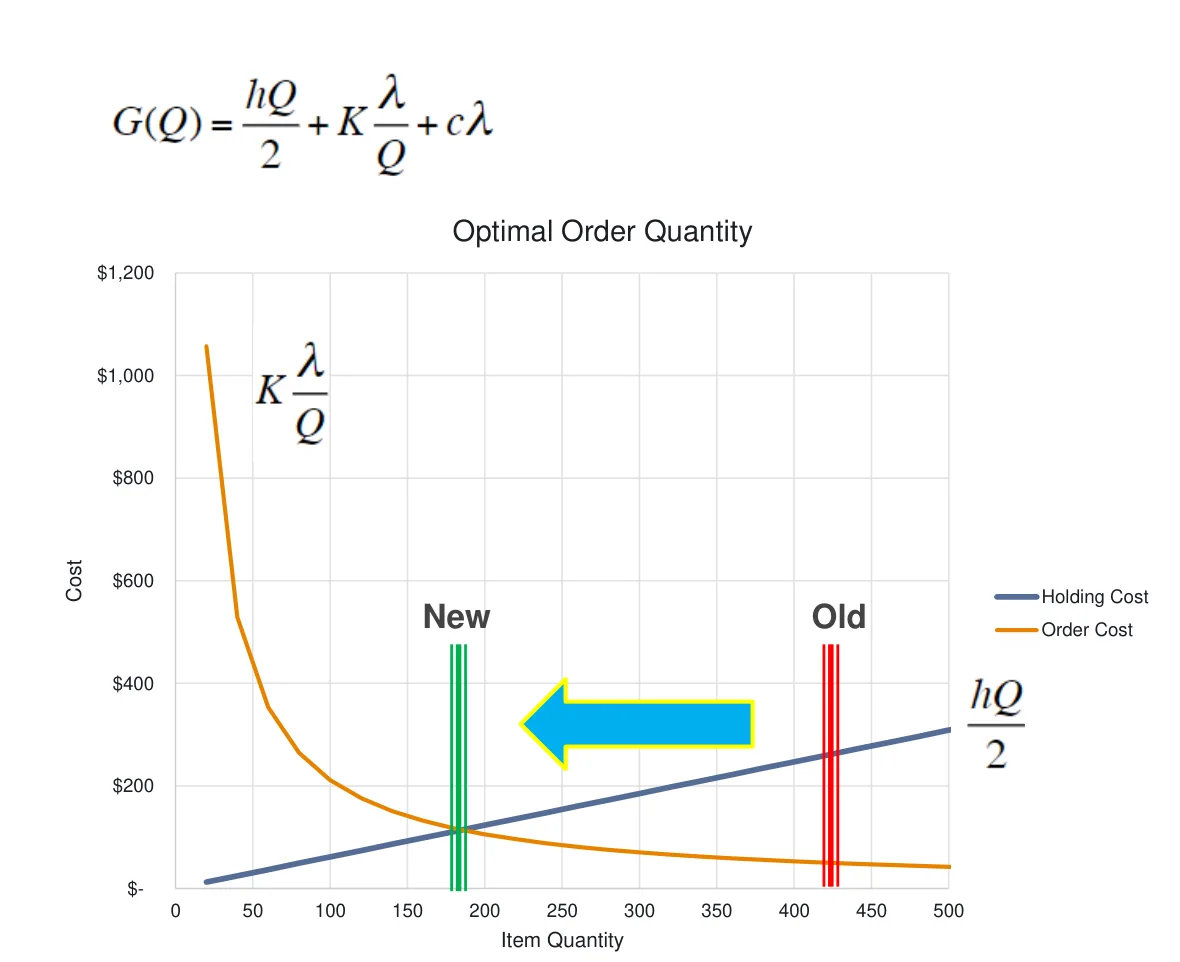
Moving the demand assumption from the third to the second standard deviation cut assumed daily demand by 10.4%. The EOQ model then moved ordering from 423 items twice a week to 185 items four to five times a week, saving 56.3% of the safety stock's holding cost.
recommendations
- Keep the original layout - no significant gain from moving it
- Make workstation heights adjustable, add anti-fatigue mats, provide a step stool
- Order 185 items four to five times a week, with a 10.4% lower assumed demand
- Repeat DMAIC at a narrower scale - order picking and packing - where the time actually goes
what it shows
- Ergonomic analysis across the population, with the tool verified before it was trusted
- DMAIC on a real client with real constraints
- The discipline to recommend "no change" when the statistics say so